L'accessibilità nel Festival ORLANDO 2026
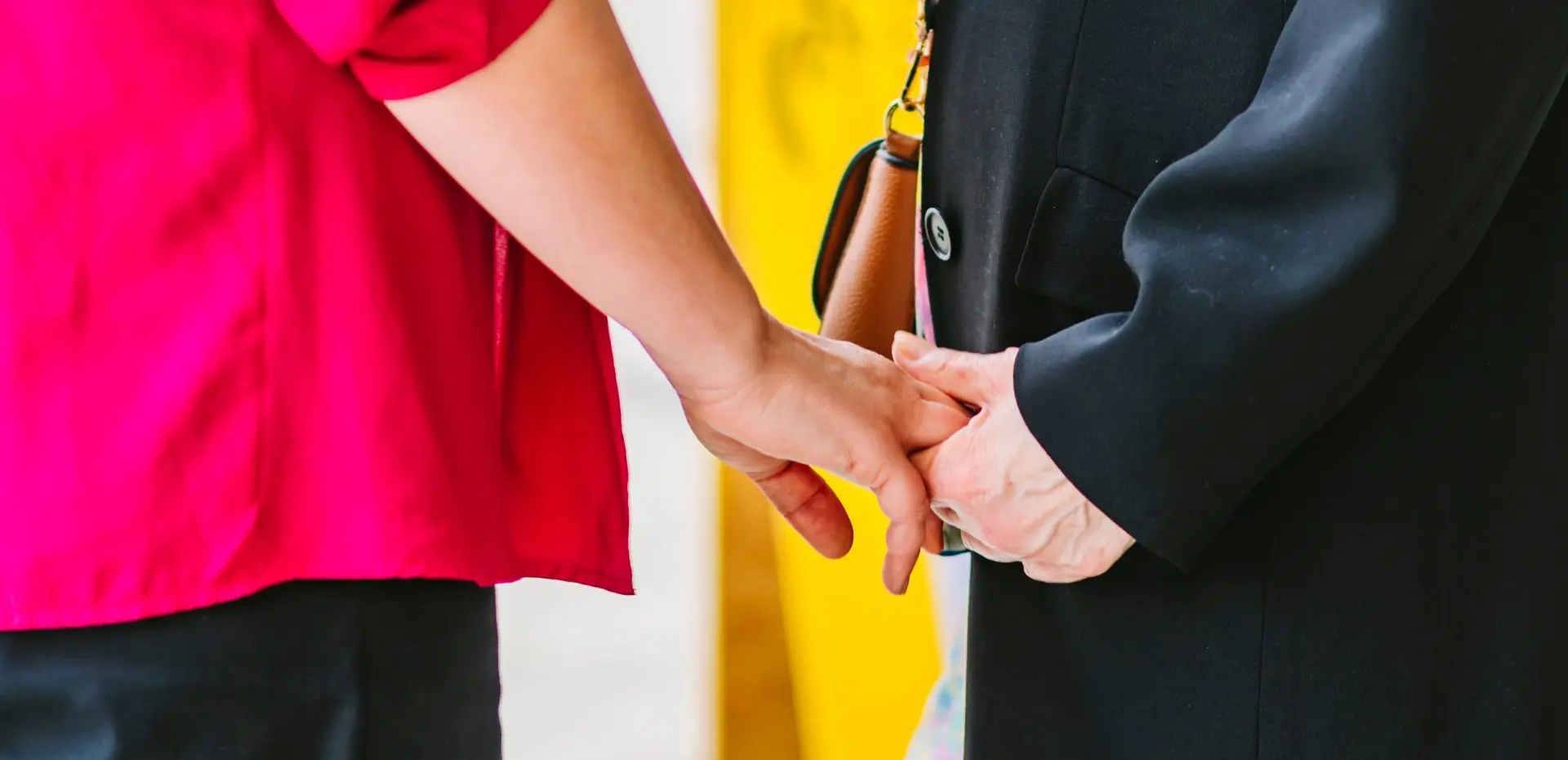
A festival that is increasingly accessible
Since 2021, ORLANDO has been engaged in a process to make the Festival more and more accessible, with the awareness that accessibility is not a final goal but an ongoing process of revising practices and habits. For this thirteenth edition as well, training, consultancy, and operational actions have been implemented to further improve the Festival experience compared to previous years, continuing a path that still requires new steps and future developments.
This year, we took part in Spazi aperti per una cultura accessibile, a project by Fondazione della Comunità Bergamasca as part of the Crowd4Culture call promoted by Fondazione Cariplo. The initiative involved a network of eight organizations active in cultural production and promotion in Bergamo, fostering a virtuous exchange, expanding representation for artists and people with disabilities, and contributing to making culture a space for participation. The project supported partner organizations in a growth path on accessibility through training sessions and mentoring.
Particular attention has been given to digital accessibility: partner websites were analyzed by Oltre I Limiti ETS, with targeted consultancy aimed at improving clarity and usability of online tools.
Within this initiative, Festival ORLANDO will present two performances: Precarious Moves by Michael Turinsky and Pas Moi by Diana Anselmo. Both works start from the experience of the body and disability to question the norms through which society defines movement, communication, and participation. In different ways, they open a space where the body becomes a tool for knowledge and storytelling, inviting audiences to imagine other ways of inhabiting the world and relating to others.
These and other performances in the program will be accompanied by several accessibility measures designed to facilitate access for diverse audiences: Italian Sign Language (LIS) interpretation, audio description upon request, SDH subtitles for Orlando Shorts, and other tools aimed at making the Festival experience as accessible as possible.
ORLANDO has also continued the path initiated through Spazi aperti for an Accessible Culture by adapting its website, for the 2026 edition, to the WCAG 2.2 (Web Accessibility Initiative) guidelines.
One of the most significant innovations of this thirteenth edition concerns the way we work behind the scenes: this year, alongside consultant Elia Zeno Covolan, the Festival team includes a dedicated accessibility role. Sara Cortinovis collaborates across all areas of the team, supporting the design and implementation of activities so that every action—from communication to events—takes accessibility into account. A further step toward building, edition after edition, a Festival that is increasingly attentive to the diverse needs of its audiences.
Alongside the new elements introduced this year, we have continued to work carefully on areas already explored and developed in previous editions, in which we have chosen to invest and consolidate our approach. These include the icon system, the language note—completely updated based on reflections and experiences from past editions—and the work on questionnaires for collecting data from artists and hosting organizations, with the aim of making accessibility practices more transparent to all collaborators involved in Festival ORLANDO. This process has been further structured to systematize information and ensure it is clearly and effectively integrated into the accessibility sheets available for each event on the website www.orlandofestival.it.
We have also continued developing the icon system introduced in 2021, strengthening and enhancing a now recognizable visual language. The icons—part of the Iconic Accessibility Toolkit project by Elia Zeno Covolan, available under a Creative Commons BY-NC-SA license—have been further expanded and refined in continuity with previous work. This update stems from reflections within the working group, with the aim of improving communicative effectiveness and making them even clearer, more accessible, and more functional to the audience experience.
For this edition, the Festival also confirms its commitment to economic accessibility introduced last year, alongside ongoing work on communication and the presence of artists with disabilities in the program. To broaden participation, the “Pay What You Want” system is maintained, allowing audiences to choose the ticket price range that best suits their possibilities, encouraging wider access to the Festival’s cultural offerings.
We look forward to welcoming you to the Festival, from May 5 to 10 in Bergamo!